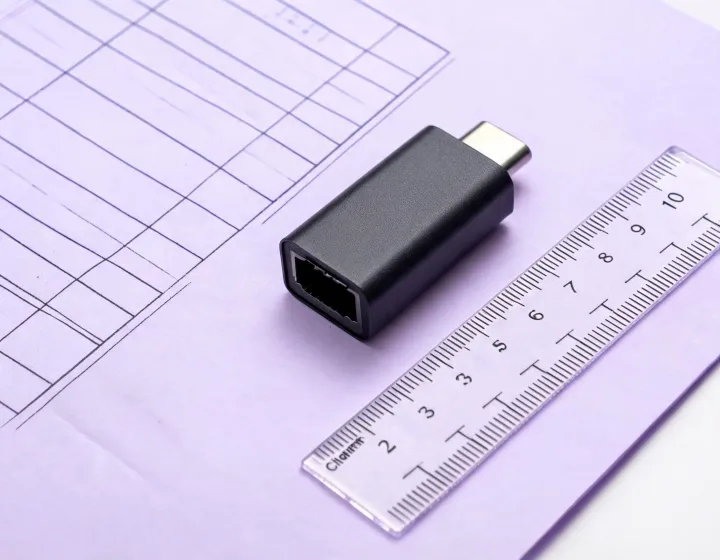
Evidence ledger for a USB-C quotation
Each row is a document or a number the proposed supplier should tie to one model. A family page that covers several shells does not fill the row.
| Ledger row | Bind it to | Reject when |
|---|
| Datasheet revision |
Manufacturer and model string printed on the shell |
The PDF title is a series name |
| Chipset and driver |
Operating system versions the buyer actually images |
The note says “plug and play” with no chipset |
| PHY speed |
10/100, 1000BASE-T, or 2.5GBASE-T as tested |
The box art shows a gigabit icon the datasheet does not repeat |
| Bus power |
Milliamp draw at 5 V on the USB-C port |
A 900 mA USB 3 figure is copied from a different SKU |
| Mechanical fit |
Body width in millimetres and captive-cable length in centimetres |
A photo crops the neighboring-port clash |
| Regulatory file |
FCC equipment authorization or supplier declaration that names this model, if the factory claims one |
A logo is printed without a file number |
Costs that must be separate from the unit line include freight to the US destination, duties if the Incoterm leaves them with the buyer, a spare carton, a driver USB stick if one is billed, and any external 5 V supply. Warranty length and the return address are exclusions until written. A software license is uncommon on a plain dongle; if a management utility is billed, put it on its own line so the usb-c to ethernet adapter price is not hiding a subscription.
Return loss and insertion loss belong to the channel if a test lab will certify the link. Ask whether the quotation includes a 1 m or 2 m patch cord. If it does not, the adapter number and the cord number should not be added in someone’s head before comparison. TIA-568 is a cabling question source, not a certificate this desk issues.
Procurement scenario: two USB-C shells with one nickname
Background: the buyer’s nickname is “the purple gigabit stick,” quantity 120 pieces, destination a Midwest warehouse, requested ship window six weeks. Process: factories are told to quote USB-C, state 1000BASE-T or a lower PHY explicitly, list driver builds for one named OS, and show body width. Result: one reply is 100 Mb/s with a longer captive cable, the other is 1000BASE-T with a short body. The nickname is dropped. Comparison waits until freight and the included cord length match. No host pair has been tested by this desk.